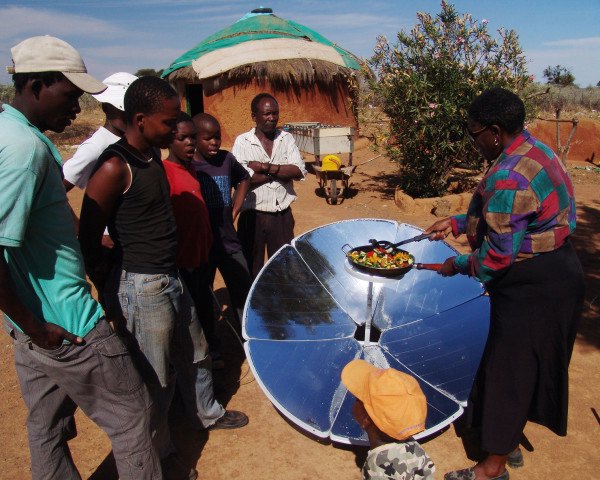
Picture this, it’s a calm hot summer evening. Like that cool- hot where there is a breeze but you still tell yourself
“damn its hot”. You just came home from a long day at work. The only thing that got you through that extra long meeting where your manager Susan is always looking for small things to nit-pick on, like cmon.. you can’t forget to subject an email, and folks are acting like you slapped the CEO. But I digress.
You swing open the fridge, NICE! All the ingredients I need are here.
-Chicken Breast
-Frozen Veggies
-Siracha Sauce
Let’s get cooking! You collect all your items and place them on the counter beside the stove. A few timely button presses and Voila the fiery beast is alive and ready to serve its master.
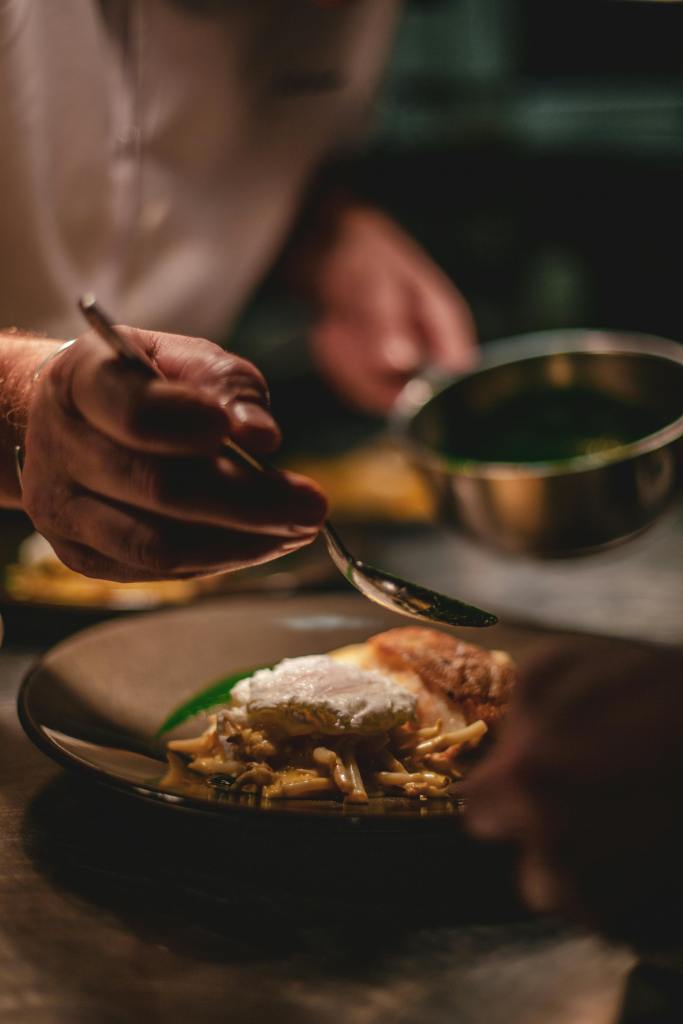
Let’s pause here, what I described is a typical night for those of us who are fortunate enough to have access to immediate cooking solutions. Unfortunately there are thousands of families that everyday cooking is an unbelievable struggle.
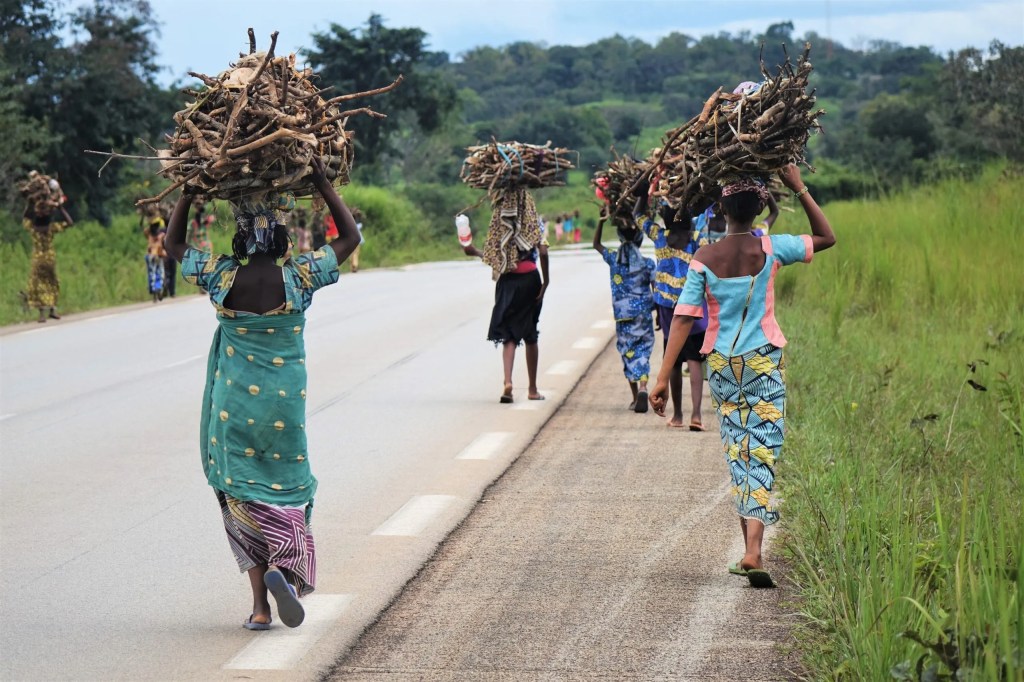
Through talking with locals; These are 3 main ways to cook.
Charcoal Stoves: Families may use charcoal stoves, which are more efficient and produce less smoke compared to open fires. However, they still contribute to deforestation as charcoal is often made from wood.
Collecting Sticks/Wood: Gathering wood or sticks from the surrounding environment is a common practice for cooking in rural areas. While readily available, this contributes to deforestation and habitat degradation.
Compressed Gas (LPG): In some areas, households use liquefied petroleum gas (LPG) as a cooking fuel. LPG is cleaner and more convenient than traditional biomass fuels, but access to it can be limited in remote rural areas, and it can be expensive for low-income families.
From my own personal experiences man I hate those stupid blue Compressed Gas cans. They used to rinse me for 20$USD and I swear they had some scam going on where the can ( which are not see-through) are filled up half way but sold at full price. Because I promise you they use to finish faster than the previous ones… How!?
Anyways.
I wanted to try to make those families lives a little bit easier and save them time during the day. Collecting firewood and cutting down trees for charcoal is not only time consuming, it has devastating effects on the landscape through desertification.

Now let’s talk about a possible solution. The reason I was drawn towards Solar Cookers is because Africa has no shortage of sunshine.
Outside of the rainy season, it’s pretty much hot and sunny. We all know the sun sends us so much free energy to use.
I delved deeper into the idea of cooking using solar energy. I was under the assumption that the best way to do it is the conventional way.
Solar panels hooked up to a battery that powers a small electric cook-top.
That’s a good approach but the problem was it can get pretty expensive and difficult logistics wise to give families a kit to build for themselves. Batteries and inverters are not cheap and I was looking for a next to zero cost solution so I can really be of scale.
Introducing the Parabolic Solar Cooker
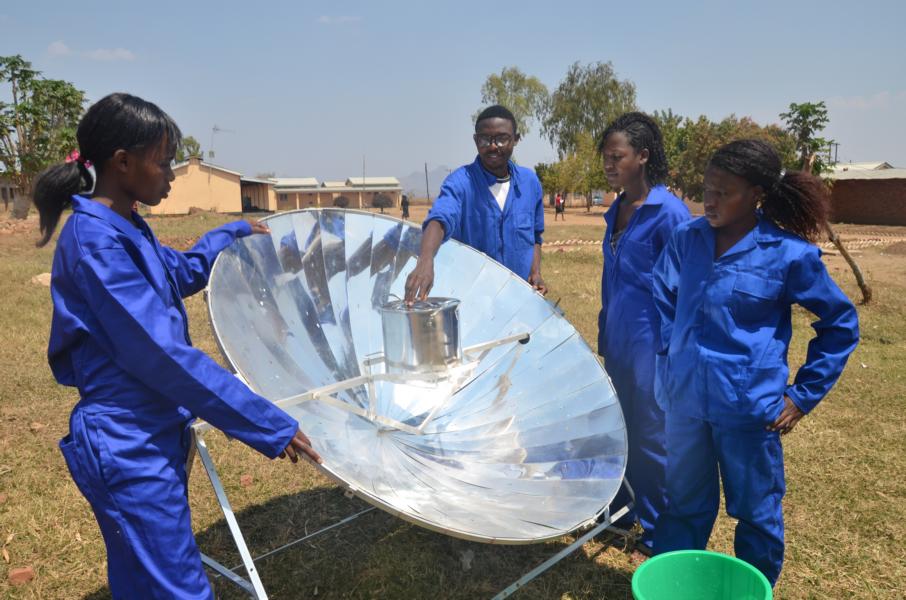
Parabolic Solar Cooker Setup By Youth
When I was a kid, I remember from a grainy Youtube video. A kid was teaching how to focus the sun rays on a single point using a magnifying glass.
A parabolic Solar Cooker works the same way.
It’s a parabolic dish that focuses the suns rays on a single point.
This focused beam of sunlight can reach incredibly high temperatures, more than enough to cook food to perfection. Imagine harnessing the power of the sun to create mouthwatering meals without relying on expensive gas or electricity – talk about a game-changer!
So, how does it work exactly? Well, picture a sleek, shiny dish that looks like it’s been plucked straight out of a sci-fi movie. That’s your parabolic solar cooker! Unlike traditional cookers, which rely on electricity or gas to generate heat, parabolic cookers use the sun’s rays as their primary energy source.
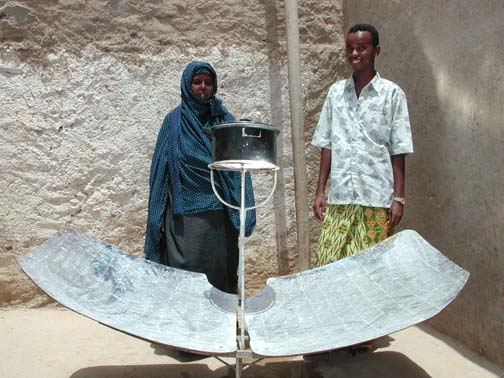
The secret lies in the cooker’s concave, bowl-shaped design, which acts like a giant magnifying glass, concentrating sunlight onto a single focal point. This focused sunlight creates intense heat, turning your ordinary cooking pot into a mini solar-powered oven. Pretty cool, right?
But the magic doesn’t stop there. Parabolic solar cookers are not only incredibly efficient but also remarkably versatile. Thanks to their high temperatures and precise control, you can cook just about anything your heart desires – from hearty stews and soups to crispy stir-fries and fluffy rice.
Plus, they’re eco-friendly, portable, and oh-so-easy to use. Whether you’re camping in the great outdoors, hosting a backyard barbecue, or simply looking to reduce your carbon footprint at home, a parabolic solar cooker is your ticket to guilt-free cooking bliss.
And the best part? You’re not just cooking with the sun – you’re cooking for a cause. By embracing solar cooking, you’re not only saving time and money but also helping to protect the environment and improve the lives of families in need. It’s a win-win for you and the planet!
So, there you have it – the lowdown on parabolic solar cookers and how they’re revolutionizing the way we cook, one sunbeam at a time. Ready to join the solar cooking revolution? Grab your shades, dust off your apron, and let’s cook up a storm – the sustainable way!
Updates Below*
 TeamSamatalis
Leave a comment